TIPS FOR SELLING
Property Appraisal
Selling a property involves preparation, planning, and understanding the current market. Our selling tools are designed to provide useful insights and practical guidance to help you make informed decisions before bringing your property to market.

Preparing Your Home for Sale
Presentation plays an important role in attracting buyer interest. Small improvements, thoughtful styling, and careful preparation can significantly influence first impressions and inspection attendance.
Below is a preparation checklist to assist you.
Presentation Matters
First impressions influence buyer interest.
Ensure the home is clean, tidy, and free of clutter before photography or inspections.
Repairs & Maintenance
Attend to minor repairs such as:
• Loose handles
• Dripping taps
• Scuffed paint
• Broken fittings
Small fixes help present the home as well maintained.
Outdoor Areas
Street appeal plays an important role.
Consider:
• Lawn and garden maintenance
• Clearing pathways and driveways
• Fresh mulch or tidy garden beds
Declutter Living Spaces
Removing excess furniture and personal items helps buyers visualise the space more easily.
Well-proportioned, open rooms tend to photograph and present better.
Natural Light & Atmosphere
Open curtains and blinds to maximise light.
A bright, welcoming environment helps create a positive impression during inspections.
Get Tailored Advice
Preparation helps ensure your property enters the market in the strongest possible position.
For tailored advice on preparing your home for sale, speak with the team at Crossriver Property Group.


Buyer demand, property availability, and local trends influence property values across Wodonga and Lavington. Our market insights provide useful updates to help you understand current conditions.
Due Diligence Checklist
Before selling, it is important to ensure the appropriate documentation and compliance requirements are in place. Our due diligence checklist outlines key considerations for property owners in both Victoria and New South Wales.

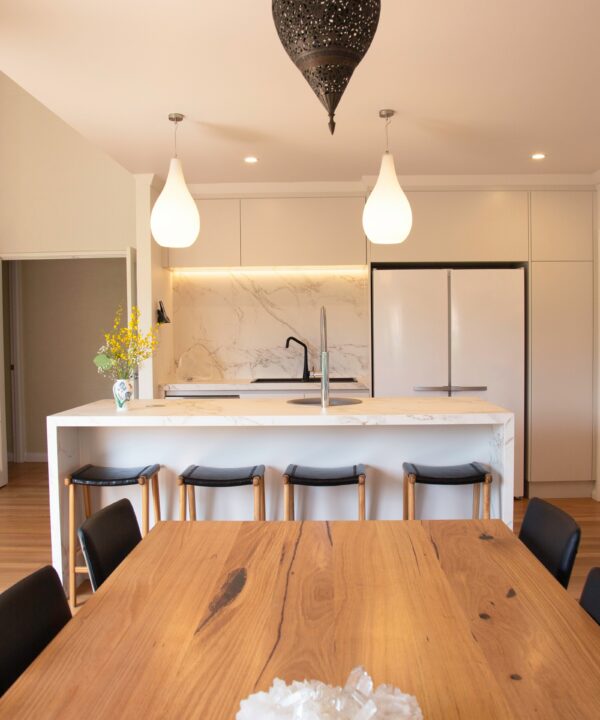
Understanding potential selling costs helps you plan ahead. This may include marketing, conveyancing, government charges, and agent commission.
While some costs are fixed and others vary depending on the property and marketing approach, understanding them early helps you plan ahead and avoid surprises.
Agent Commission
Real estate commission is typically the largest cost associated with selling a property. This fee is agreed upon in advance and is generally calculated as a percentage of the final sale price. Commission covers the agent’s service throughout the campaign, including advice on pricing and strategy, buyer management, negotiation, and guidance through to settlement.
Marketing & Advertising
Marketing is designed to attract qualified buyers and create strong interest in your property. This may include professional photography, online advertising on major property portals, social media promotion, signage, and brochure material. The scale of the marketing campaign can vary depending on the property and the approach taken.
Conveyancing / Legal Fees
A solicitor or conveyancer prepares the contract of sale and required documentation before the property is marketed. They also handle the legal aspects of the transaction, including reviewing contracts, managing the exchange of contracts, and coordinating settlement with the buyer’s representative.
Styling & Presentation
Some sellers choose to invest in professional styling or minor presentation improvements to strengthen buyer appeal. This can include furniture styling, garden improvements, decluttering services, or small repairs that help present the home in the best possible light.
Repairs & Maintenance
Preparing a home for sale sometimes involves attending to minor repairs or maintenance. Addressing issues such as paint touch-ups, garden maintenance, or small repairs can improve presentation and help avoid concerns during buyer inspections.
Mortgage Discharge Fees
If the property has an existing mortgage, your lender may charge a discharge fee when the loan is finalised at settlement. Your conveyancer or lender can provide guidance on these costs during the preparation stage.
Council & Utility Adjustments
At settlement, adjustments are made for council rates, water rates, and other property-related charges so that the buyer and seller each pay their fair portion for the period they owned the property.
Capital Gains Tax (Investment Properties)
If you are selling an investment property rather than your primary residence, capital gains tax may apply. An accountant or financial adviser can provide advice specific to your circumstances.